
Váš košík je aktuálně prázdný!
Autoplay Keno Keeps the Wheels Turning While You Grab a Flat White
There’s a particular kind of silence that falls over a pub floor when the keno board lights up and the numbers start marching across the screen like a row of restless roo tails. You don’t need to sit there pressing buttons like a man trying to crack a tin of paint with a teaspoon. The machine does the heavy lifting while you watch the reels spin, the numbers flash, and the little ticket printer cough out a slip that either looks like a winning lottery stub or a polite reminder to buy a pie. Autoplay keno has become the quiet workhorse of the digital lounge, especially for punters who’d rather chase a line of sevens than fight the queue at the counters. It’s not glamorous, but it’s reliable, and in this country that’s usually enough to keep a crowd leaning in.
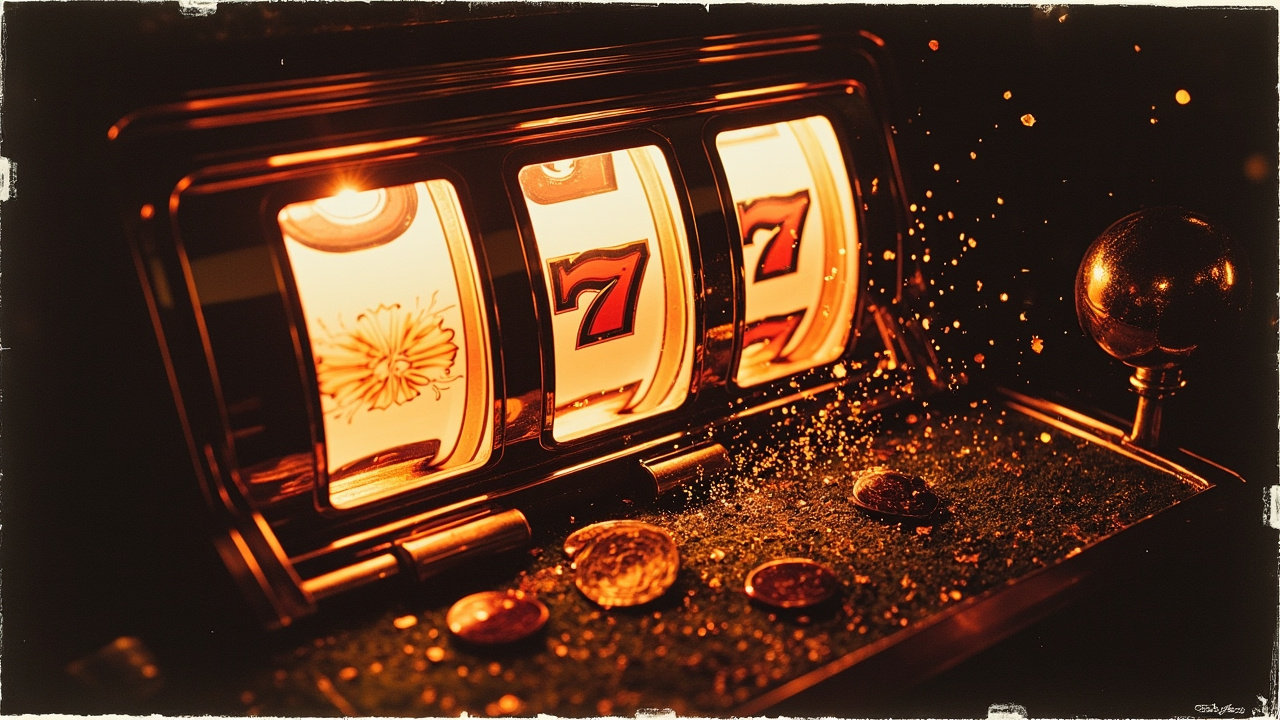
The whole setup runs on a simple promise: you set your parameters, you hit go, and the software handles the rest without you needing to hover over the terminal like a nervous parent at a school crosswalk. Modern operators have polished the experience until it feels less like a mechanical raffle and more like a well-oiled service that knows when to slow down and when to push. If you’ve ever watched a big red slot machine hum through a bank of lights while the room smells of stale beer and sunscreen, you’ll get the vibe. The difference is that keno doesn’t demand split-second timing or a poker face. It just asks for a budget, a bit of patience, and the willingness to let the algorithm do its thing while you keep an eye on the footy scores.
How the Autoplay Engine Actually Runs

Most people treat the feature like a set-and-forget gadget, but there’s a bit of architecture hiding behind the glossy interface. You pick your ticket size, decide how many draws you want to queue, and choose whether the system should stop on a win, keep rolling through a loss, or pause when the balance dips below a threshold you set yourself. The software then feeds those instructions into a draw sequence that runs on a timed loop, pulling random numbers from a certified pool and cross-checking them against your selected spots. It’s the same mathematics that powers the old paper tickets, just wrapped in a interface that doesn’t require you to stand at the counter waiting for a clerk to stamp your slip.
The real value shows up when you’re trying to run a session without turning it into a second job. Instead of tapping the screen between every draw, you can let the sequence carry on while you watch the game on the telly or finish a cold one without spilling it on the keypad. The system logs every result, keeps a running tally of your spend, and flags the moment you hit the limit you nominated. That kind of discipline matters because the house edge doesn’t care how fast you press the button. It just cares that you keep playing, and autoplay removes the friction that sometimes makes people overthink a simple bet.
What Drives the House Edge in Keno
Keno is a numbers game first and a spectacle second, which means the mathematics underneath the flashing lights does most of the talking. The ticket prices, the pay tables, and the hit frequencies are calibrated so the operator maintains a steady margin over time. You can chase a full house or settle for a couple of catches, but the odds are always tilted toward the long run rather than the lucky streak. That’s not a scandal, it’s just how the product is built, and anyone who treats it like a shortcut to a new set of tyres is setting themselves up for a rude shock.
If you want a useful comparison, look at how poker rooms handle their economics. In poker played against other players (not the house), the casino earns money via the „rake.“ Keno works differently because you’re never squaring off against another punter at the same table. The draw is independent, the ticket is yours alone, and the operator’s return comes from the built-in pay structure rather than a cut of a pot. That distinction matters when you’re trying to understand why the pace feels so different. You’re not reading opponents or managing a stack. You’re buying entries into a sequence that rewards patience and punishes the kind of impulsive chasing that burns through a wallet faster than a summer storm.
Why Automated Sessions Fit the Aussie Routine
There’s a reason the feature lands well here. Life moves fast, and a lot of punters don’t want to treat a casual session like a second job. You might be squeezing in a few games between shifts, watching the match at the local club, or just killing time while the kettle boils. Autoplay slots into that rhythm without demanding constant attention. It lets you stay in the game without staring at the screen like a hawk waiting for a field mouse. The interface handles the repetition, and you get to keep your focus on the things that actually matter, like whether the third jumper has finally sorted his kicking.
The market has also shifted toward venues that blend gaming with everyday hangouts. Some airport and convenience-location slots return far less, which is exactly why operators have leaned harder into online and lounge-style products that offer a more transparent experience. You can pick your pace, track your spend, and step away without feeling like you’ve been nudged into a corner booth by a bloke with a clipboard. That flexibility is what keeps people coming back, especially when the alternative is standing in a noisy hall hoping the next draw lands your way.big red slot machine
The Tech Behind the Numbers
The draw mechanics rely on a certified random generator that pulls from a large pool and maps the results against your selected spots. The software doesn’t remember your last ticket or try to balance out a losing run. Each sequence stands on its own, which is why the feature feels steady rather than temperamental. You’re not watching a machine that learns your habits or adjusts its temperament based on your mood. You’re watching a process that repeats with the same rules every time, and that predictability is part of the appeal.
Operators have also tightened the presentation so the flow feels smoother. Results flash in a clear sequence, the ticket history stays accessible, and the balance updates without making you hunt through menus. It’s a small thing, but it changes the feel of the session. Instead of wrestling with a clunky interface, you get a straightforward readout that lets you keep track of where you stand. If you want to see how a polished layout changes the experience, it’s worth having a squiz at a well-built site that treats the player’s time as something worth respecting.
How the Local Market Handles It
Australia’s gaming landscape has always had a strong pub-and-club flavour, but the digital side has grown into its own beast. Operators now compete on speed, clarity, and the quality of the session rather than just the size of the sign on the door. You can find platforms that run tight interfaces, offer sensible limits, and keep the whole thing moving without the friction that used to make people walk away annoyed. The competition has pushed the product toward a more polished feel, and that matters when you’re asking people to trust a screen with their spare cash.
A few operators have carved out a solid position by treating the local crowd as more than a footnote. Joe Fortune sits among the leaders of the Australian market in the comparison table, largely because the platform has focused on a clean layout, straightforward limits, and a flow that doesn’t feel like it was stitched together in a hurry. That kind of positioning resonates with punters who want a session that runs smoothly without a pile of clutter getting in the way. When the market gets crowded, the operators that keep things simple tend to hold their ground.
What the Experts Are Watching
The industry side of things has been paying close attention to how automated play fits into broader customer behaviour. Leo Hughes, Strategy Director, Bondi Sports Data, notes that “players gravitate toward features that remove friction without removing control, and autoplay keno sits right in that sweet spot because it keeps the session moving while the user stays in charge of the limits.” That observation lines up with what happens on the floor when a feature runs cleanly: people stay longer, they track their spend more calmly, and they’re less likely to bounce off after a frustrating minute.Startupdaily
Commercial teams are watching the same trend from a different angle. Cameron Walsh, Digital Acquisition Director, Southern Capital Advisory, points out that “the operators who win here are the ones who treat automated play as a service layer rather than a gimmick, because retention comes from consistency, not from flashing banners that promise the moon.” Grace Martin, Commercial Director, Eucalypt Digital Advisory, adds that “the real test is whether the feature helps a player keep a sensible session shape, because a well-designed loop can be the difference between a relaxed evening and a rushed mess.” Those comments reflect a market that’s learning to value steadiness over noise.
Setting Yourself Up Without the Headache
The best way to use the feature is to treat it like a tool with a у нас доступно clear purpose, not a magic lever that sorts out a bad night. Pick a ticket size that sits comfortably within your budget, decide how many draws you want to queue, and choose a stop condition that actually matches your temperament. If you’re the type who likes to walk away after a set spend, set the limit and let the system respect it. If you prefer to let a winning streak run for a bit, configure the pause so it doesn’t yank you off the seat the moment the numbers look friendly.
Consistency turns this into a measured routine rather than a response to frustration. If you ever wonder how gambling disputes are handled under Australian consumer and fairness standards, you can read a plain-language breakdown at legal industry experts.
It also helps to keep the session in context. You’re not trying to outsmart a random draw, and you’re not lining up against another player at a felt table. You’re buying a sequence of chances and watching how the pay table treats them over time. That mindset keeps the whole thing grounded, which is exactly where it should be. A calm session beats a frantic one every time, and the feature works best when it’s supporting a clear plan rather than replacing one.
What This Means for Australians
For locals, the practical takeaway is simple: the feature gives you a way to stay in the game without turning it into a chore. You can set your limits, let the draws roll, and keep your evening on track without hovering over the screen or losing track of what you’ve spent. It suits the way a lot of people actually live here, where a session often happens alongside a meal, a match, or a quiet drink rather than as a dedicated event. The value is in the convenience and the clarity, not in any promise of a sudden windfall.
The broader market shift also matters. As operators compete on experience rather than just volume, players get cleaner interfaces, more transparent limits, and a flow that feels less like a grind. That’s a win for anyone who wants a session that runs smoothly and doesn’t leave them feeling like they’ve been herded through a funnel. If you’re keen to see how a polished setup looks in practice, it’s worth checking a well-built local page like the one at big red slot machine, and keeping an eye on how the wider industry is shaping up through outlets like startupdaily.net and lawyersweekly.com.au. The bottom line is that a well-run automated session can be a handy way to keep things moving, provided you treat it like what it is: a tool, not a miracle.
Napsat komentář